How Does Hoarding Affect My Health and Home?
A home can become unsafe long before it looks like an emergency from the outside. If you are asking, “how does hoarding affect my health,” you may already be noticing changes: trouble sleeping, persistent odors, pests, blocked rooms, anxiety about visitors, or growing concern for someone you love. Hoarding conditions can affect physical health, mental well-being, and the safety of the property itself. The good news is that help can be respectful, private, and practical.
How Does Hoarding Affect My Health?
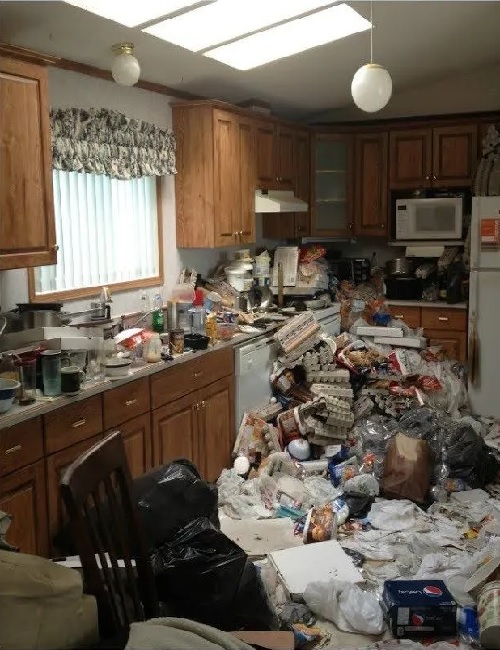
Hoarding disorder is a mental health condition involving a persistent difficulty discarding possessions, regardless of their actual value. The resulting clutter can range from crowded rooms to severe conditions where basic spaces such as kitchens, bathrooms, hallways, and bedrooms can no longer be safely used.
The health effects depend on the condition of the home, what is being stored, whether food waste or animal waste is present, and whether there are moisture, pest, or fire hazards. Not every cluttered home presents the same risks. But when belongings restrict movement, block exits, trap moisture, or make cleaning impossible, small problems can become serious quickly.
Breathing problems and poor indoor air quality
Dust, pet dander, mold spores, and odors can build up in spaces that are difficult to clean or ventilate. Stacks of paper, fabric, boxes, and stored belongings collect dust over time. In Texas, heat and humidity can make moisture issues worse, especially after a plumbing leak, roof leak, or flood.
For people with asthma, allergies, COPD, or other respiratory conditions, this environment may contribute to coughing, wheezing, congestion, irritated eyes, or shortness of breath. Mold is especially concerning where there has been water damage behind piles of belongings, beneath carpets, or inside walls. The visible clutter may be only part of the issue.
Strong odors can also make a home feel unlivable. Odors from spoiled food, mildew, smoke residue, urine, animal waste, or decomposition are not simply unpleasant. They can signal a sanitation issue that needs to be found, removed, and properly treated at the source.
Falls, injuries, and limited access to care
Narrow paths through rooms create a daily fall risk. Loose items on stairs, unstable stacks, blocked hallways, and cluttered bathrooms can lead to trips and serious injuries. This is particularly dangerous for older adults, people with mobility limitations, and anyone who uses a walker, cane, or wheelchair.
Hoarding can also interfere with emergency response. Firefighters, paramedics, and family members may be unable to move safely through the property during a medical crisis. If a bedroom door, bathroom, kitchen, or exterior exit is blocked, an ordinary emergency can become more dangerous.
Limited access to plumbing and food preparation areas creates another concern. A bathroom that cannot be used, a sink obstructed by items, or a kitchen with spoiled food can make it harder to maintain basic hygiene, prepare meals, take medication, or manage chronic health needs.
Pest activity, bacteria, and contamination
Food containers, trash, pet waste, standing water, and hidden spills can attract rodents, roaches, flies, and other pests. These conditions may expose occupants to bacteria, allergens, and contamination from droppings or urine. Pest activity can also damage insulation, wiring, cabinets, and stored belongings.
Cleaning these areas without the right precautions can stir contaminants into the air or expose someone to sharp objects, bodily fluids, feces, needles, spoiled material, or unknown substances. This is one reason severe hoarding cleanup should not be treated as a standard housekeeping task. The first priority is making the environment safe for everyone involved.
Fire hazards that can spread fast
Hoarding conditions increase fire risk in several ways. Combustible items such as paper, clothing, boxes, and furniture can create a heavy fuel load. Belongings may be stacked near stoves, heaters, outlets, electrical panels, or candles. Extension cords may be overloaded or hidden under piles where damage is not visible.
If a fire begins, clutter can accelerate its spread and make it much harder to escape. Blocked exits, covered windows, and inaccessible fire extinguishers all reduce the time available to get out safely. Fire departments may also have trouble reaching the source of the fire inside a heavily packed home.
The Emotional and Social Health Effects of Hoarding
The health impact is not only physical. People living with hoarding conditions may experience shame, isolation, depression, anxiety, grief, or a sense of being overwhelmed. They may avoid having friends, family, maintenance workers, or medical providers in the home. That isolation can make the situation feel impossible to change.
For family members, the stress can be significant too. Loved ones may worry about safety while also feeling frustrated, helpless, or afraid of saying the wrong thing. Direct confrontation, surprise cleanouts, or threats can damage trust and may cause a person to become more protective of their belongings.
A better approach begins with safety, dignity, and consent whenever possible. The goal is not to judge someone for the condition of the property. It is to reduce hazards, restore usable living space, and create a workable path forward.
When a Hoarding Situation Needs Immediate Help
Some situations should not wait for a gradual cleanup plan. Call emergency services immediately if there is a fire, active gas leak, medical emergency, dangerous structural condition, or immediate threat of harm.
Outside of an active emergency, prompt professional help is warranted when there are multiple hazards at once. Common warning signs include:
- Blocked exits, stairs, doors, or access to bedrooms and bathrooms
- Spoiled food, animal waste, insects, rodents, or strong persistent odors
- Water damage, visible mold, sewage backup, or a leak hidden by belongings
- Electrical hazards, overloaded outlets, damaged cords, or clutter near heat sources
- Sharp objects, biohazards, decomposition, or materials that cannot be safely handled without protective equipment
Landlords, estate representatives, and property managers may also need help when a property must be made safe for inspection, turnover, repairs, sale, or occupancy. In these cases, documentation, discretion, and clear project ownership matter as much as the cleanup itself.
A Safer Way to Start Reclaiming the Home
The first step is not always removing everything. Start by identifying immediate life-safety concerns: clear a path to exits, ensure access to a working bathroom, locate active leaks, and keep cooking surfaces and electrical panels free of combustible materials. Do not climb unstable piles or attempt to move heavy stacks alone.
If there is mold, animal waste, spoiled material, needles, unknown chemicals, or biohazard contamination, avoid disturbing it until trained professionals can assess the area. Moving items too quickly can spread contamination, release dust and spores, or cause injuries.
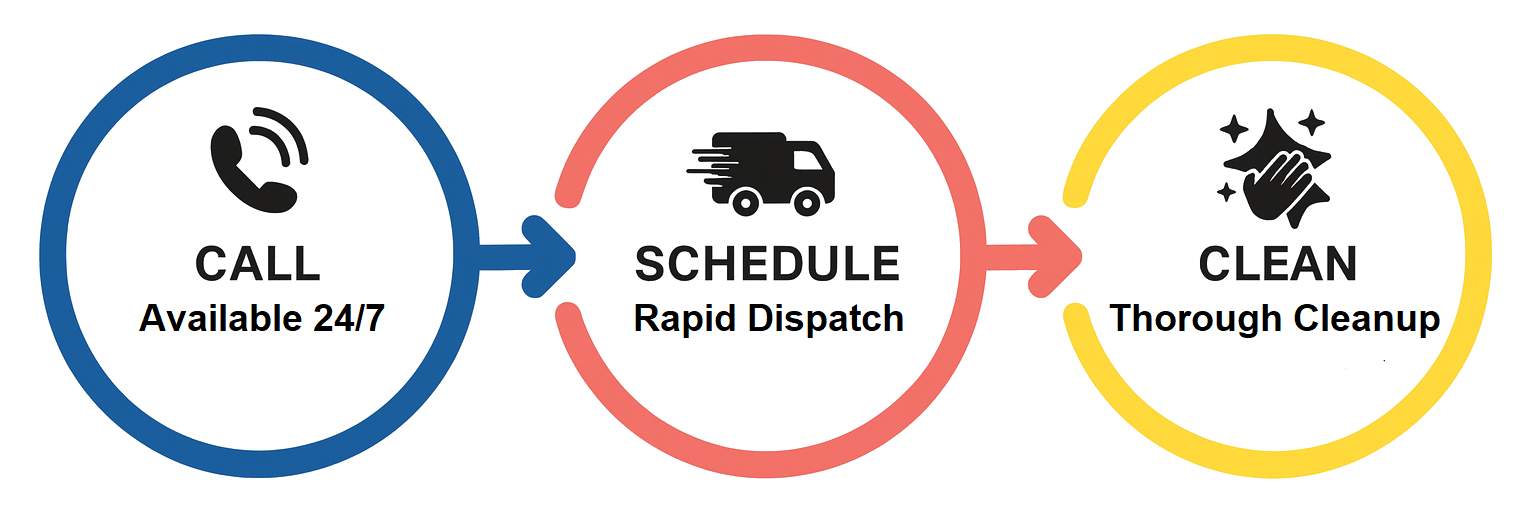
A professional hoarding cleanup team can help separate the work into manageable phases. This may include inspection, hazard identification, sorting support, removal of unsalvageable materials, deep cleaning, odor treatment, pest-related sanitation, mold or water mitigation, repairs, and reconstruction when the home has been damaged. The right plan depends on the property and the occupant’s needs.
For severe conditions, using one accountable provider can reduce the burden of coordinating haulers, cleaners, remediation crews, contractors, and repair companies. Renew Cleaning & Restoration handles sensitive cleanup projects with discretion and can manage the work from assessment through cleaning, mitigation, repair, and reconstruction when needed.
Protecting Health Without Losing Compassion
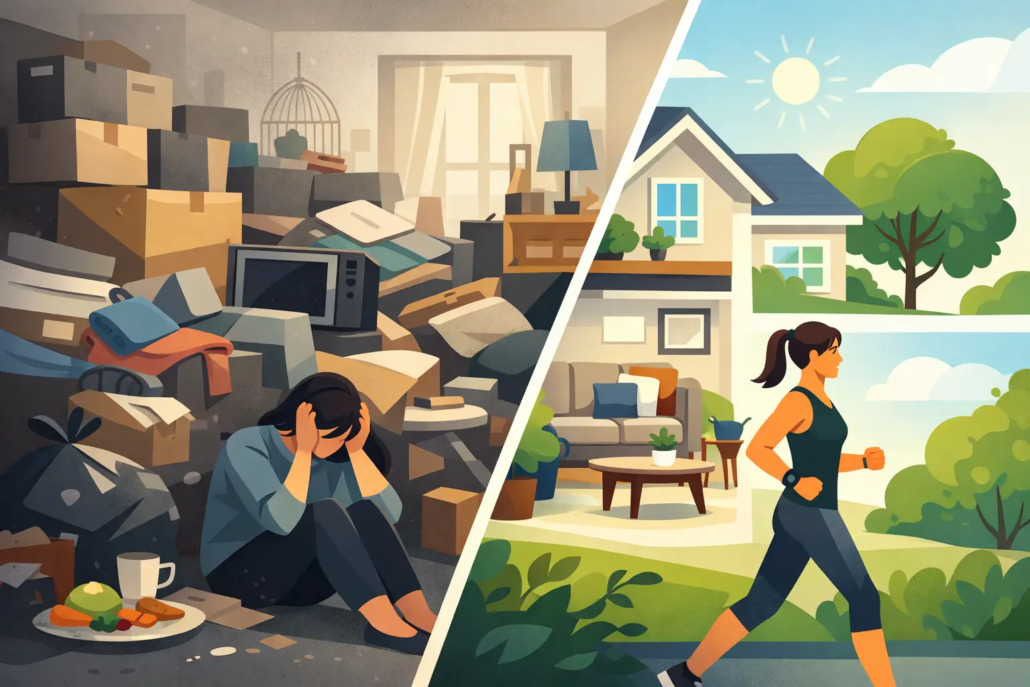
A safer home is not created through blame. It is created through steady decisions that make daily life more manageable: a clear exit, a usable bed, a working kitchen, clean air, and rooms that can be safely maintained. Progress may happen in stages, and that is okay.
If hoarding conditions are affecting your health or someone else’s safety, asking for help is a practical step toward relief. With a respectful plan and the right support, a home can become safer, cleaner, and usable again.