How to Do a Discreet Cleaning for a Hoarder
A discreet cleanup is not about pretending a serious situation does not exist. It is about protecting a person’s dignity while making the home safer. If you are figuring out how to do a discreet cleaning for a hoarder, start with privacy, consent, and a realistic safety plan – not trash bags and pressure.
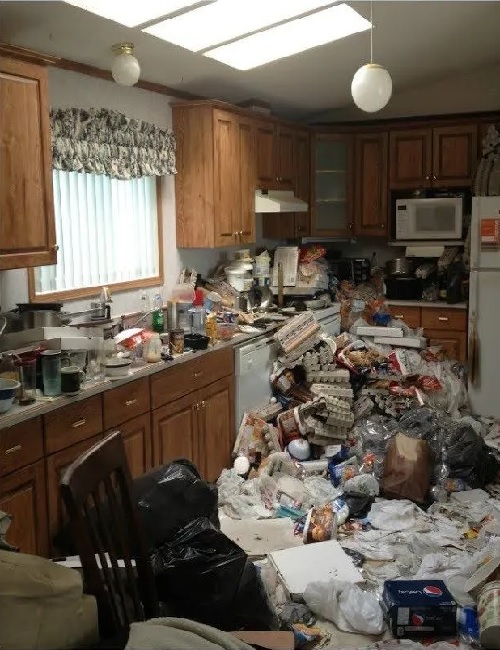
Hoarding conditions can involve blocked exits, unstable piles, pests, animal waste, spoiled food, mold, sharp objects, medications, or biohazards. A well-meaning family member can quickly become overwhelmed or injured. The most helpful approach is calm, organized, and respectful, with professional support when the property condition calls for it.
Start With Privacy and Permission
Discretion begins before anyone enters the property. Do not discuss the situation with neighbors, post about it online, or invite extra people to “help” without the resident’s knowledge. Keep the cleaning team small and agree on who will make decisions before work begins.
Whenever possible, get the resident’s consent and involve them in the plan. Hoarding is often connected to intense anxiety around possessions, loss, safety, or control. Throwing items away without permission may damage trust and make future cleaning impossible.
That does not mean every item must stay. It means decisions should be made in manageable categories and with clear boundaries. For example, everyone can agree that spoiled food, leaking trash, pest-infested materials, and items blocking emergency exits must be addressed first.
If the resident cannot safely participate due to illness, cognitive decline, or an immediate hazard, a family member, legal representative, property owner, or care professional may need to coordinate the project. In a rental property, document conditions carefully and follow applicable lease requirements and local laws before removing personal property.
Assess Safety Before You Begin Cleaning
Do not start by moving large stacks or opening every bag. Walk through only the areas that can be accessed safely, and look for conditions that change the scope of the job. A home can appear cluttered while hiding hazards that require trained remediation.
Stop and bring in professionals if you find signs of sewage, blood, decomposition, needles, rodent droppings, extensive animal waste, visible mold, standing water, structural damage, or an active pest infestation. These situations may require containment, protective equipment, specialized disposal, odor treatment, and restoration work beyond ordinary cleaning.
Also pay attention to access. If hallways, stairs, doors, electrical panels, or windows are blocked, establish a safe path out of the home before sorting. Fire safety comes first. Never climb on unstable piles, pull from the bottom of a stack, or use candles, space heaters, or open flames in a heavily cluttered space.
For a low-hazard area, wear gloves, closed-toe shoes, long sleeves, and a well-fitting mask when dust is heavy. Keep children, pets, and anyone with respiratory vulnerability away from the work zone. Open windows only when it is safe to do so and the weather allows.
How to Do a Discreet Cleaning for a Hoarder, Step by Step
A quiet, staged plan is usually more effective than trying to clear an entire house in a weekend. Begin with one visible goal: open the front door fully, clear a path to the bathroom, make the kitchen sink usable, or prepare one bedroom for safe sleep.
Create a private sorting system
Use simple, clearly labeled containers for keep, donate, recycle, shred, and discard. Add a separate container for documents, medications, valuables, keys, photographs, and items that may need review. Do not use vague labels such as “miscellaneous,” which tends to create more delayed decisions.
Keep the sorting area out of public view when possible. A garage, closed room, or screened work area can prevent the process from feeling exposed. If a dumpster is needed, arrange placement with care and avoid leaving personal papers or recognizable possessions visible inside it.
Remove clear health hazards first
Start with materials that are unsafe to keep: spoiled food, soiled disposable items, empty containers with residue, leaking bags, and trash that attracts pests. Bag waste securely and remove it from the home regularly instead of allowing full bags to pile up near the door.
Do not sort through contaminated material by hand. If there is animal waste, rodent activity, bodily fluids, or unknown chemical residue, the job has moved beyond basic housekeeping. Specialized cleaners can remove contaminated contents, sanitize affected surfaces, treat odors, and determine whether carpet, drywall, insulation, or subflooring needs to be removed.
Work in short, repeatable sessions
Long sessions often lead to exhaustion, conflict, and decision paralysis. Set a defined work period, such as two or three hours, then stop. Take photographs of cleared areas for progress tracking, but protect those images as private records.
At the end of each session, remove trash, sweep the newly cleared path, and leave the space safer than you found it. Visible progress builds momentum. It also helps the resident see that cleaning does not have to mean losing every possession.
Clean after clearing, not before
Trying to disinfect around dense clutter wastes time and can spread contaminants. Once a section is empty, vacuum dust with appropriate filtration, wipe hard surfaces, clean flooring, and address odors. If moisture damage or mold is found behind stored belongings, pause the project so the underlying source can be corrected.
Odor deserves more than air freshener. Persistent odors may be caused by waste, spoiled materials, smoke residue, mold, dead pests, or contamination absorbed into porous surfaces. The right remedy depends on the source. Sometimes deep cleaning works; other times, damaged materials must be removed and the area professionally treated.
Keep the Cleanup From Becoming a Public Event
The practical details matter. Schedule work at a time that minimizes attention, use unmarked or low-profile vehicles when available, and avoid placing personal belongings on the curb. Ask everyone involved to keep conversations inside the property and to avoid judgmental language.
Discretion should never mean cutting corners. A contractor who promises to “make it disappear” without an inspection may overlook contamination, damage, or disposal requirements. The right provider protects confidentiality while still documenting necessary conditions, following safety procedures, and giving a clear scope of work.
For homes with extensive contents, a professional crew can also coordinate hauling, deep cleaning, pest-related sanitation, odor removal, repairs, and reconstruction. That single-project approach prevents families from having to hire one company for removal, another for cleaning, and another for damaged floors or walls.
Know When Professional Hoarding Cleanup Is the Safer Choice
Professional help is appropriate when the home is not safely walkable, when there are biological or environmental hazards, or when the amount of material exceeds what a family can handle responsibly. It is also a good choice when relationships are strained and a neutral, compassionate crew can reduce conflict.
A qualified company should explain what will happen before work starts: who will be on site, how belongings will be sorted, what requires special disposal, what areas need sanitation, and whether restoration is needed after cleanup. Ask how privacy is protected, whether estimates are itemized, and who will manage the project from the first inspection through final cleaning.
Renew Cleaning & Restoration handles sensitive cleanup projects across Texas with trained teams that can manage removal, sanitation, odor control, remediation, repairs, and reconstruction when needed. For an urgent safety concern, the most responsible next step is an on-site assessment rather than guessing at what is hiding beneath the clutter.
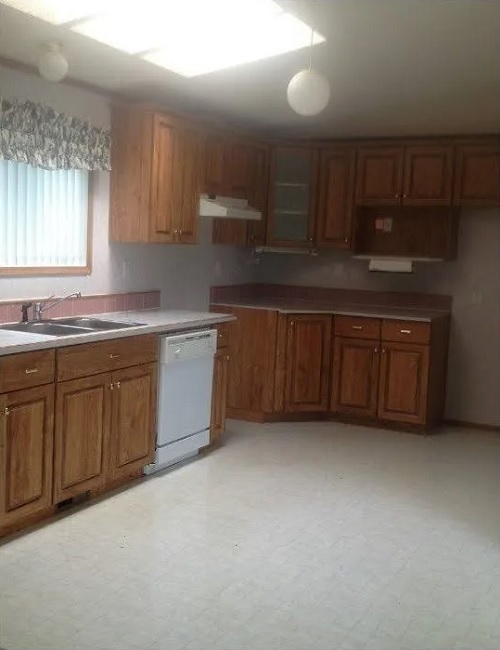
The goal is not to create a picture-perfect home by force. It is to create a safer place where the resident can move, rest, cook, bathe, and begin again with dignity intact.